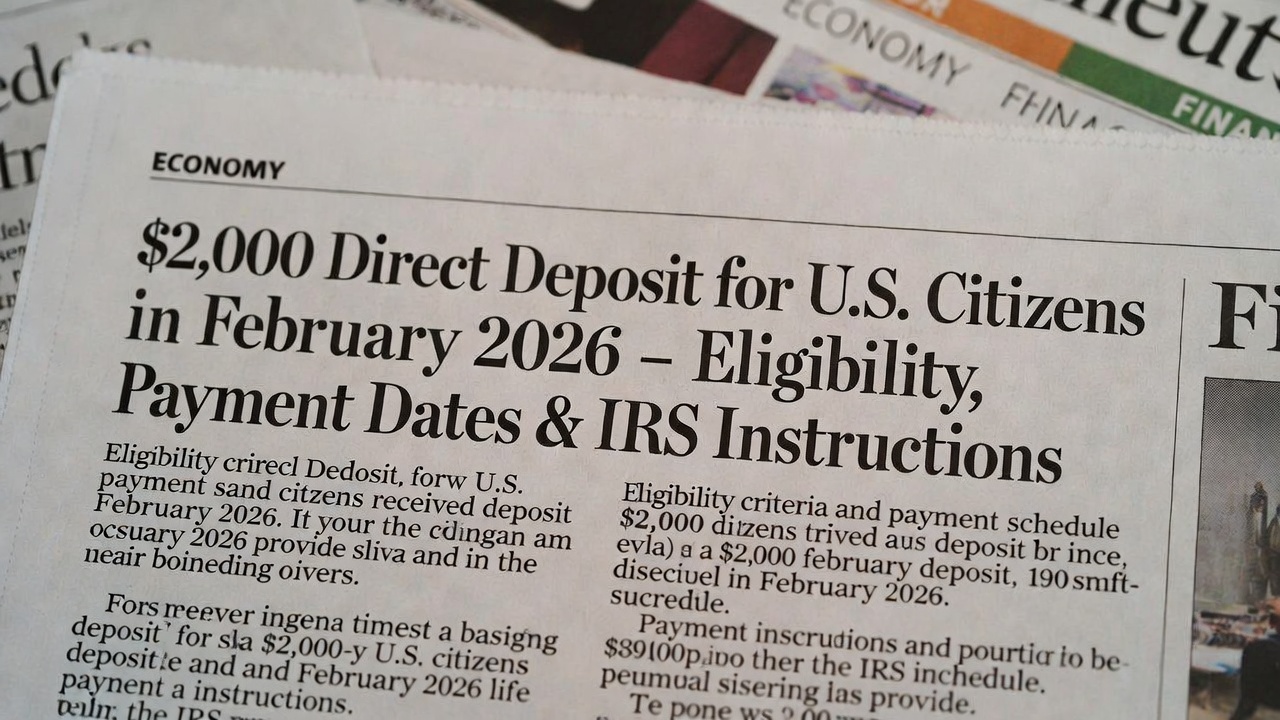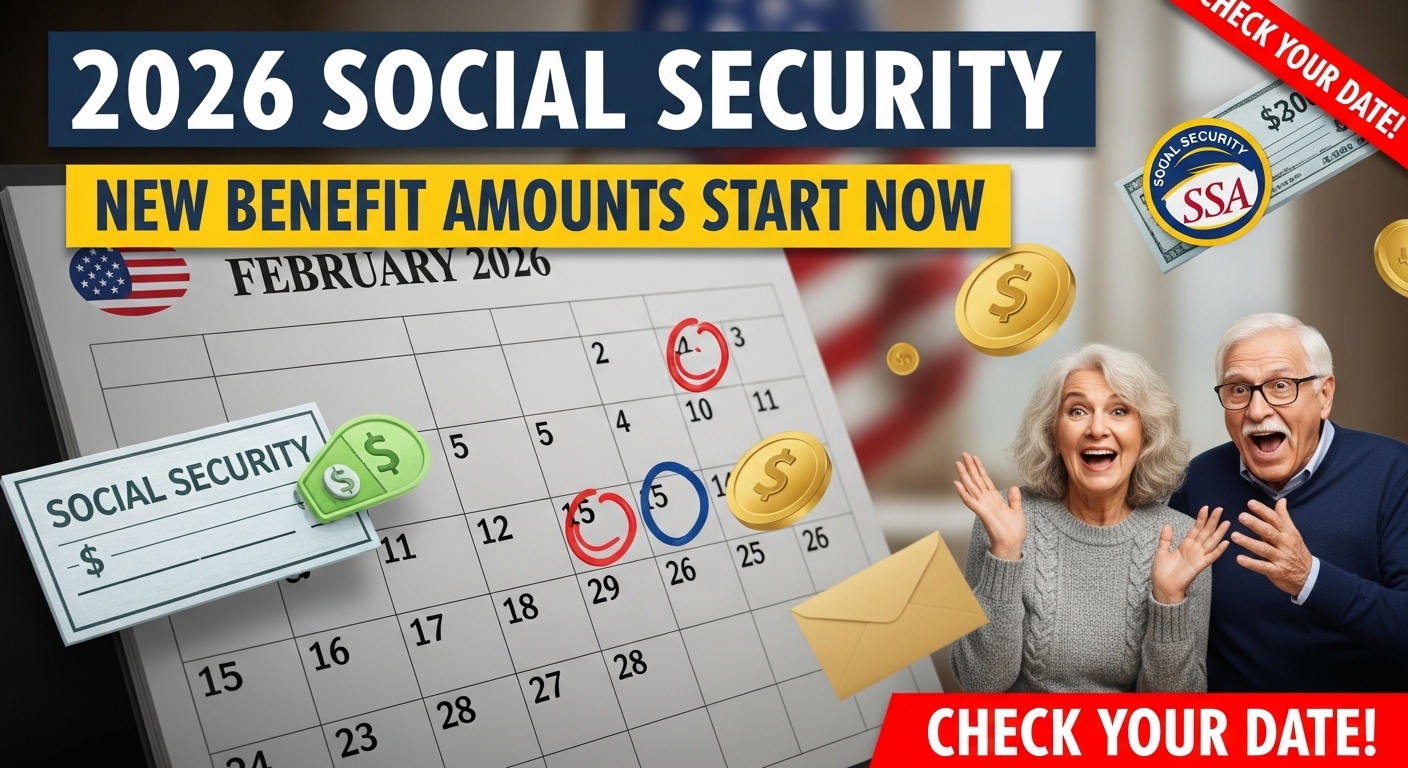
As February 2026 approaches, many families are discussing a proposed $2,000 direct deposit program that could begin around February 9. With everyday expenses such as rent, groceries, electricity, and healthcare still high, the idea of financial support has attracted strong public attention. However, it is important to understand that this program remains a proposal and cannot move forward unless it receives official government approval.
Purpose of the Proposed Payment
The suggested $2,000 deposit is described as short-term financial assistance aimed at helping households manage rising living costs. Unlike traditional relief efforts that relied on mailed paper checks, this plan would operate entirely through electronic transfers. The goal of using a digital system is to reduce delays, lower administrative work, and deliver funds more quickly to approved recipients. Electronic payments are generally faster and safer than paper checks, which can sometimes be delayed or lost in the mail.
How the Digital System Would Work
Under the proposed structure, eligible individuals would receive funds directly into their registered bank accounts. Identity verification would take place using automated systems that review information already stored in official government records. This process is designed to confirm eligibility without requiring lengthy paperwork. Because the system would depend fully on electronic transfers, accurate banking details would be essential. Incorrect routing or account numbers could cause payments to be rejected or delayed.
यह भी पढ़े:
 When are Social Security and SSI paid in February 2026? This month’s complete benefits schedule
Eligibility and Verification Rules
Eligibility would likely depend on income level, residency status, and compliance with federal guidelines. Recent tax returns or other financial records could be used to confirm qualification. Reports suggest that seniors, individuals with disabilities, and low-income households might receive priority review due to higher financial need. However, final rules would only be confirmed through official announcements.
Discussions indicate that verification could open in early February, with payments possibly starting shortly after. Deadlines for updating banking details and completing identity checks may apply. Missing those deadlines could delay payment.
Important Reminder
Although the proposal outlines a clear structure, no payments can be issued without formal approval. Families should rely only on verified government updates and avoid sharing personal information through unofficial channels.

Disclaimer: This article is for informational purposes only and does not provide financial, legal, or tax advice. Approval, eligibility rules, and payment timelines depend entirely on official government decisions and may change. Always confirm details through trusted government sources.