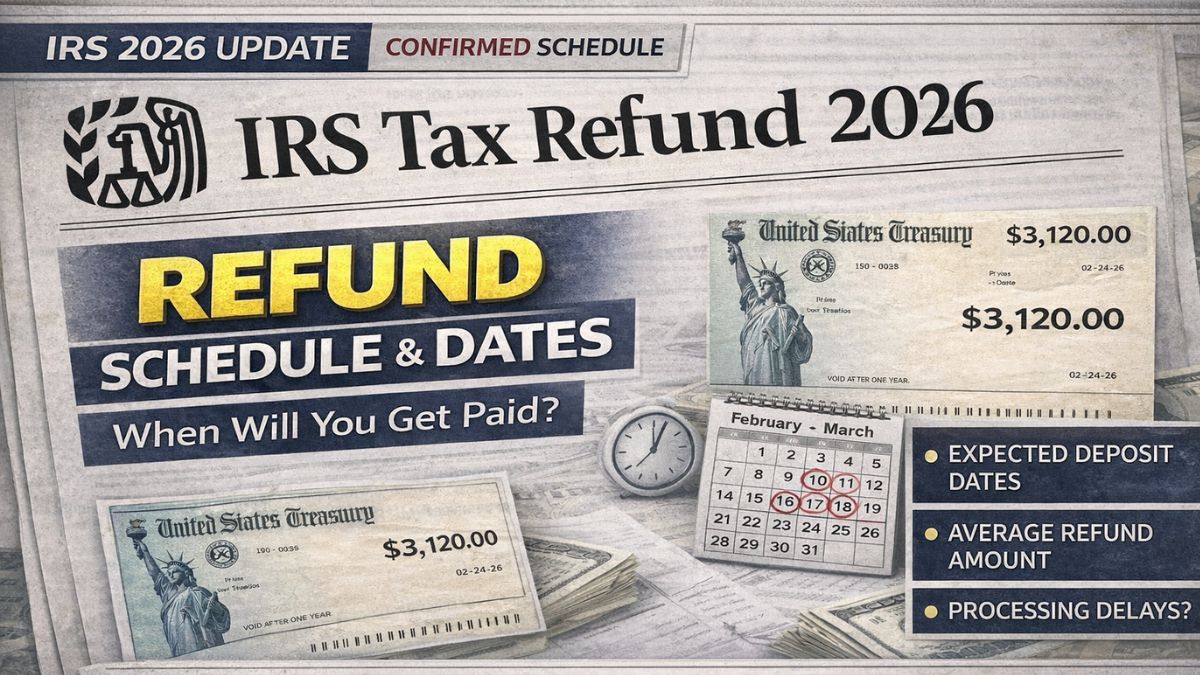
In February 2026, social media platforms have been filled with claims about a new $2,000 federal relief payment being sent to all Americans. Viral posts and attention-grabbing headlines have led many people to believe that a fresh nationwide stimulus deposit has been approved. During tax season, such rumors often spread quickly, especially when many taxpayers are already expecting refunds. However, it is important to carefully separate verified government announcements from online speculation.
No New Universal $2,000 Stimulus Confirmed
As of now, there has been no official announcement of a new universal $2,000 stimulus payment for February 2026. Most deposits around this amount are connected to normal IRS tax refunds, refundable tax credits, or previously approved federal programs. Refund amounts can vary widely depending on each person’s income, tax withholdings, and credits claimed. Because many refunds reach or exceed $2,000, this has likely added to the confusion.
Why Some Deposits Are Around $2,000
February is one of the busiest months of the tax filing season. Taxpayers who submit their returns electronically in late January often begin receiving refunds within about three weeks, depending on processing times. Those who choose direct deposit usually receive their money faster than those waiting for paper checks. Since refund amounts differ for every individual, some people naturally receive deposits close to $2,000, creating the impression that a new relief program has started.

Refundable credits, such as those related to earned income or children, can increase the total refund amount. Overpaid federal taxes during the year may also result in larger payments. These routine tax refunds are sometimes mistaken for new government stimulus payments when they arrive during peak filing season.
Importance of Verifying Information
Taxpayers should always rely on official IRS communications and refund tracking tools to confirm the status of their payments. Checking updates through authorized government sources is the safest way to understand what funds to expect and when they may arrive. It is also wise to avoid sharing personal or banking information in response to unverified online claims.
Rumors about large federal payments often appear during tax season because many people are already watching their bank accounts for deposits. Verifying information before making financial plans helps prevent confusion and unnecessary stress.

Conclusion
The recent $2,000 federal relief discussion in February 2026 appears to be largely connected to routine IRS tax refunds rather than a newly approved universal stimulus payment. Refund amounts depend on each taxpayer’s individual filing details and eligibility for credits. Staying informed through official government channels is the best way to ensure clarity and financial security.
Disclaimer: This article is for informational purposes only. Payment eligibility, refund amounts, and federal assistance programs are subject to official government regulations and updates. Individuals should verify all information through authorized government sources before making financial decisions.