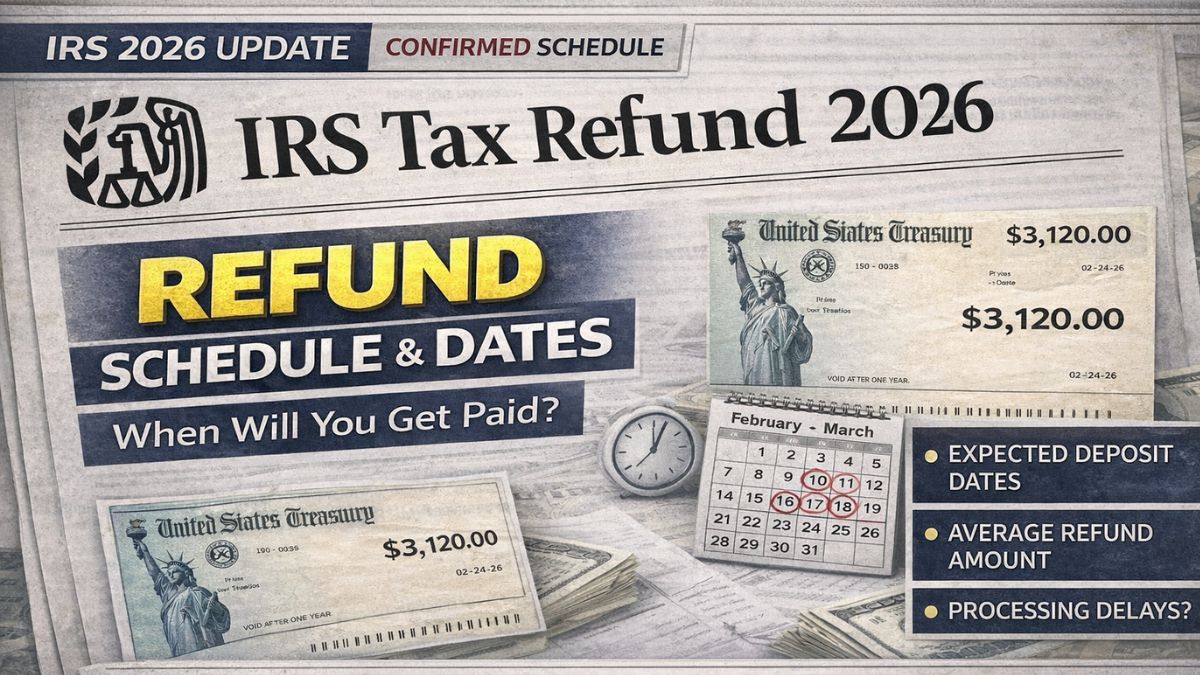
As February 2026 approaches, many Americans are discussing the possibility of a $2,000 direct deposit for U.S. citizens. With winter expenses still high and many households recovering from holiday spending, financial support of this size would be meaningful. Before making spending or budgeting decisions, it is important to understand how federal payments typically work and what conditions usually apply.
Why a $2,000 Payment Matters
For many families, $2,000 can provide short-term stability. Retirees may use the funds to pay for groceries, prescription medications, or utility bills. Working households might apply the money toward rent, mortgage payments, or credit card balances. Even a one-time deposit can reduce financial pressure and help families catch up on essential expenses. Beyond covering bills, such support can also bring peace of mind during financially tight months.
How Eligibility Is Usually Determined
Federal direct deposits are not automatically sent to every citizen without review. In past relief programs, eligibility depended on income limits, tax filing status, and participation in federal benefit programs. Social Security recipients, SSI and SSDI beneficiaries, veterans, and low- to middle-income taxpayers were often included if they met specific requirements.
यह भी पढ़े:
 When are Social Security and SSI paid in February 2026? This month’s complete benefits schedule
Income thresholds typically decide whether someone receives the full payment or a reduced amount. Having a recent and accurate tax return on file is often important, as federal agencies use that information to confirm eligibility and calculate payment amounts.
How Payments Are Normally Delivered
When federal payments are approved, they are generally distributed in phases. Direct deposits are usually sent first to individuals whose banking information is already on file with the government. Those who recently filed tax returns may receive payments shortly afterward once processing is complete. Paper checks or prepaid debit cards are typically mailed later to individuals without direct deposit set up.
Direct deposit remains the fastest and most secure way to receive funds. Once released, deposits often arrive within a few business days.

Steps to Avoid Delays
Errors in personal information can slow down payments. It is important to file the most recent tax return, confirm bank account details, and update mailing addresses if needed. Using official government tracking tools helps individuals safely monitor the status of any authorized payment.
Final Thoughts
A $2,000 direct deposit in February 2026 could offer meaningful assistance to many households. However, eligibility and timing depend entirely on official approval and program rules. Staying informed through reliable sources and keeping personal records accurate can help ensure a smooth process during tax season.
Disclaimer: This article is for informational purposes only and does not provide legal, tax, or financial advice. Federal payment programs depend on official legislation and agency approval. Payment amounts, eligibility requirements, and timelines may change. Always verify information through official government sources or consult a qualified professional for personalized guidance.