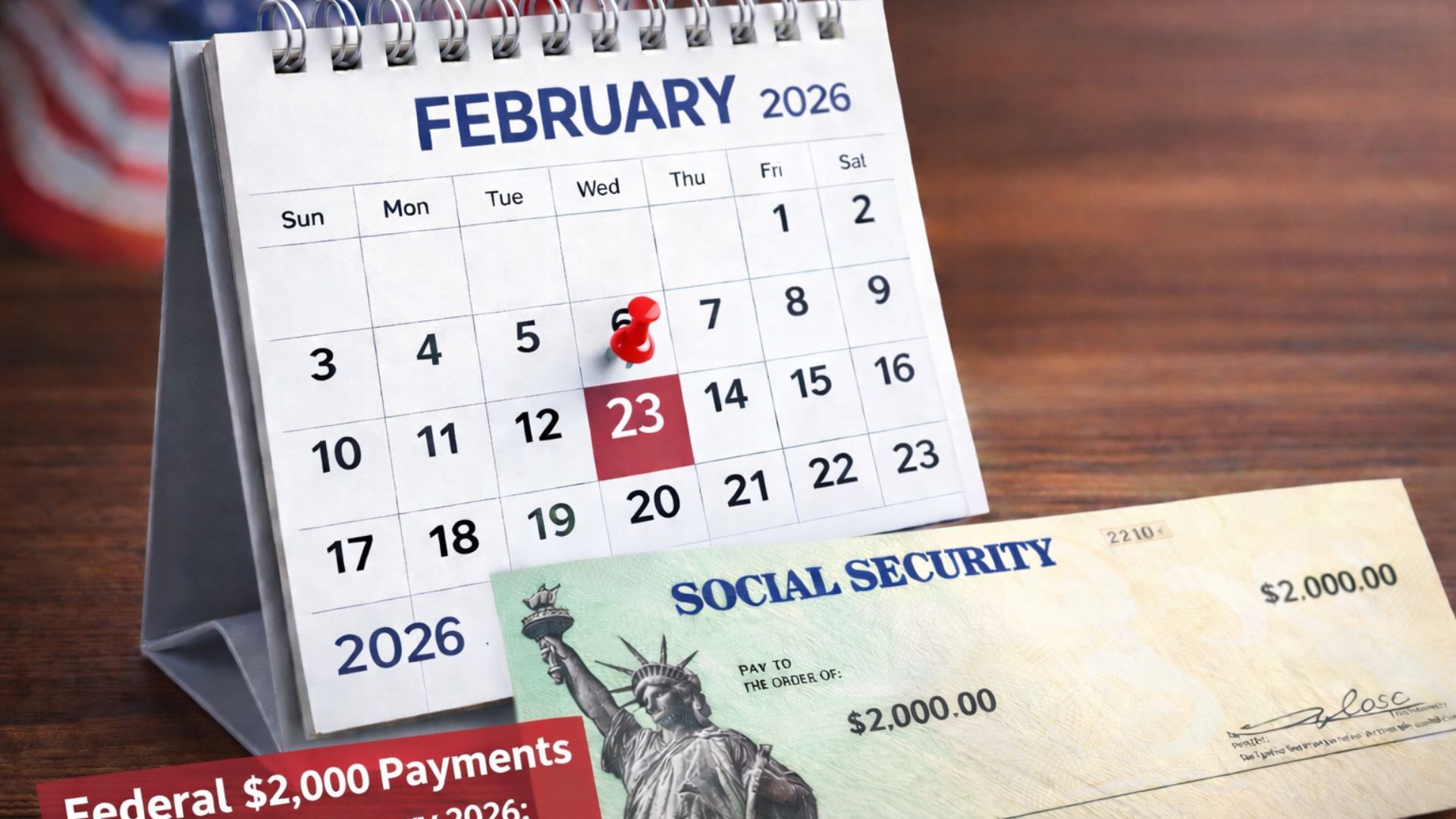
As February 2026 draws near, many Americans are paying close attention to reports about possible federal $2,000 payments. With living costs such as rent, groceries, medical care, and utility bills remaining high, a one-time payment could ease financial pressure for many households. Because of this interest, people want clear and reliable information about eligibility, payment timing, and what to do if funds are delayed.
How Federal Payments Are Managed
Federal payments are normally handled by government agencies using information already available in tax returns or benefit records. In many cases, people do not need to complete a new application. Agencies review existing data to determine whether someone meets the required guidelines. However, keeping personal records accurate is very important. Outdated bank details or incorrect addresses can slow down delivery.
Eligibility is usually based on income level and tax filing status. Adjusted gross income from the most recent tax return often determines whether a person qualifies for the full payment, a partial amount, or no payment at all. Filing status, such as single or married filing jointly, can also affect the final amount. Being part of a certain group, such as a Social Security recipient or a low-income taxpayer, does not automatically guarantee approval. Official rules set by the issuing agency decide who qualifies.
यह भी पढ़े:
 When are Social Security and SSI paid in February 2026? This month’s complete benefits schedule
How Payments Are Delivered
Most federal payments are sent by direct deposit. If bank account information is already on file, funds are transferred electronically. This method is typically the fastest and most secure. If no bank details are available, a paper check may be mailed to the address listed in official records. In some situations, prepaid debit cards may be used.
Payments are usually issued in batches rather than on a single day. Direct deposits may arrive earlier, while mailed checks can take longer due to postal delivery times. Reviewing your bank account and official online portals can help confirm payment status.
What to Do if a Payment Is Missing
If funds do not arrive as expected, the first step is to check your official government account for updates. Confirm that your bank and address details are correct. Contacting your bank may also show whether a deposit is pending. If needed, reach out directly to the issuing agency through verified contact information.

Disclaimer: This article is for informational purposes only and does not provide financial, legal, or tax advice. Payment eligibility, timelines, and amounts depend on official government decisions and individual circumstances. Readers should verify information through authorized government sources for accurate and up-to-date guidance.